Large Air conditioner Air Cooler: Smart Cooling Solutions for Modern Spaces
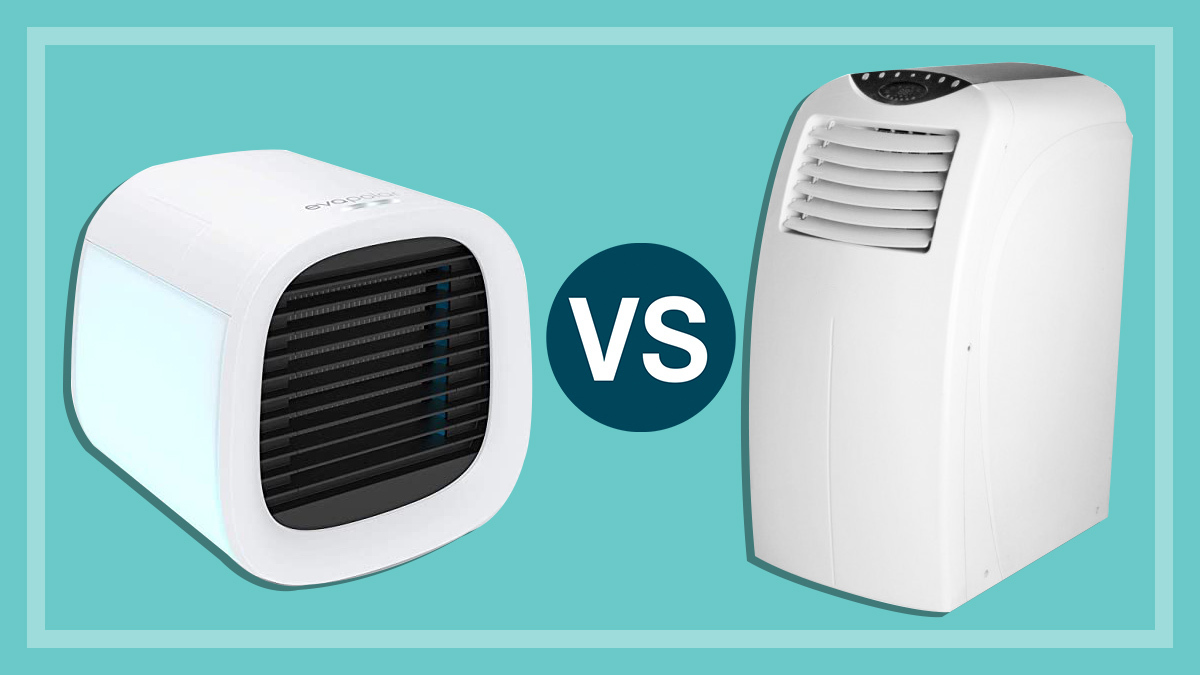
In today’s rapidly changing climate, maintaining a comfortable indoor environment has become more important than ever. Homes, offices, warehouses, and commercial facilities all require efficient cooling systems that balance performance, energy consumption, and long-term sustainability. The growing demand for reliable cooling solutions has brought attention to the benefits of a large air conditioner Air Cooler, a system designed to deliver powerful airflow while maintaining efficiency and affordability.
A large air conditioner Air Cooler represents an evolution in cooling technology, combining the strong cooling performance of traditional air conditioning with the energy-saving advantages of air cooling systems. Unlike smaller residential units, large-scale cooling equipment is engineered to manage expansive areas where temperature control directly affects comfort, productivity, and even equipment performance. From industrial halls to open-plan offices, these systems provide consistent airflow that helps maintain stable indoor conditions throughout the day.
One of the main advantages of a large air conditioner Air Cooler is its ability to cool wide spaces without excessive energy consumption 大型冷氣機. Traditional air conditioners rely heavily on refrigerants and sealed environments, which can increase operational costs when used in large areas. Air coolers, on the other hand, utilize natural evaporation processes to lower temperatures, allowing fresh air circulation while reducing electricity usage. This hybrid functionality makes them particularly appealing for businesses seeking environmentally responsible solutions.
Modern workplaces increasingly prioritize sustainability, and cooling technology plays a significant role in achieving energy efficiency goals. A large air conditioner Air Cooler supports greener operations by minimizing carbon emissions compared to conventional cooling systems. Many models are designed with advanced airflow engineering, ensuring that cooled air travels evenly across large spaces without creating uncomfortable cold spots. This balanced distribution enhances comfort while preventing energy waste.
Another key benefit lies in installation flexibility. Large cooling systems are often customized to suit specific architectural layouts. Whether mounted on rooftops, integrated into ventilation systems, or positioned strategically within a facility, a large air conditioner Air Cooler adapts to different building structures. This versatility allows designers and engineers to optimize airflow without compromising interior aesthetics or functionality.
Air quality improvement is another compelling reason why many organizations choose these systems. Unlike sealed cooling environments that recirculate the same air repeatedly, air coolers introduce fresh air into indoor spaces. Continuous air exchange helps reduce dust accumulation, odors, and airborne pollutants. In environments such as manufacturing facilities or public venues, improved air circulation contributes to healthier working conditions and greater overall comfort.
Cost management is often a deciding factor when selecting cooling equipment. Operating expenses can significantly impact long-term budgets, especially in large facilities that require constant cooling. A large air conditioner Air Cooler typically consumes less power compared to traditional centralized air conditioning systems, leading to noticeable reductions in electricity bills. Maintenance costs are also generally lower, as many air cooler components are simpler and easier to service.
Technological advancements have further enhanced the performance of modern cooling solutions. Smart controls now allow users to regulate temperature, humidity, and airflow remotely through digital interfaces. Automated sensors adjust cooling intensity based on environmental conditions, ensuring that energy is used only when necessary. These intelligent features transform a large air conditioner Air Cooler into a responsive system capable of adapting to daily operational demands.
Comfort is not solely defined by temperature. Humidity levels, airflow direction, and noise control all contribute to a pleasant indoor atmosphere. Advanced cooling systems address these factors by maintaining balanced humidity, preventing overly dry conditions often associated with conventional air conditioning. The gentle circulation produced by an air cooler creates a natural cooling sensation that many occupants find more comfortable during extended periods indoors.
Industrial and commercial sectors particularly benefit from large cooling solutions. Warehouses storing temperature-sensitive goods rely on consistent cooling to preserve product quality. Event venues require efficient airflow to accommodate large crowds comfortably. Educational institutions and healthcare facilities also depend on reliable cooling systems to maintain safe and welcoming environments. In each of these scenarios, a large air conditioner Air Cooler offers a practical solution that meets operational requirements without excessive complexity.
The adaptability of these systems extends to climate variations as well. In regions with hot and dry conditions, air coolers perform exceptionally well due to their evaporative cooling process. Even in more humid climates, hybrid models combine cooling technologies to maintain effectiveness. This adaptability makes them suitable for diverse geographical locations, allowing businesses to select configurations that match local environmental conditions.
Design considerations also play an important role in modern cooling solutions. Manufacturers increasingly focus on creating systems that blend functionality with visual appeal. Sleek exteriors, compact engineering, and reduced noise output ensure that a large air conditioner Air Cooler integrates seamlessly into contemporary architectural spaces. This attention to design helps businesses maintain professional environments without sacrificing performance.
Maintenance simplicity contributes significantly to long-term reliability. Regular cleaning of cooling pads, inspection of water circulation systems, and basic component checks typically keep the system running efficiently. Compared to complex refrigeration-based units, maintenance procedures are often more straightforward, reducing downtime and service expenses. This reliability makes large air cooling systems a dependable choice for facilities that cannot afford operational interruptions.
Energy efficiency regulations and environmental awareness continue to influence purchasing decisions worldwide. Organizations are increasingly seeking solutions that align with sustainability certifications and green building standards. A large air conditioner Air Cooler supports these goals by lowering energy consumption while maintaining effective cooling capacity. As sustainability becomes a central priority, such systems are expected to play an even greater role in modern infrastructure development.
User experience also benefits from customizable settings that allow occupants to adjust airflow according to personal preferences. Zoned cooling capabilities enable different areas within a facility to maintain distinct temperature levels, improving comfort for diverse activities. This level of control enhances productivity in workplaces and creates more enjoyable environments in commercial spaces.
Looking ahead, the future of cooling technology appears closely tied to innovation and environmental responsibility. Engineers continue to develop improved materials, smarter sensors, and more efficient airflow mechanisms. These advancements promise even greater performance from the next generation of Large air conditioner Air Cooler systems, ensuring that cooling solutions remain aligned with evolving global needs.